
When I was much younger in my career, perhaps even in a previous century, a lot of the buzz in the education world was about “twenty-first century skills.” Now that we have reached the year 2026, more than two decades into the new millennium, schools have shifted the verbiage to “future-ready students” and we use phrases like “preparing students for the world they will inherit.”
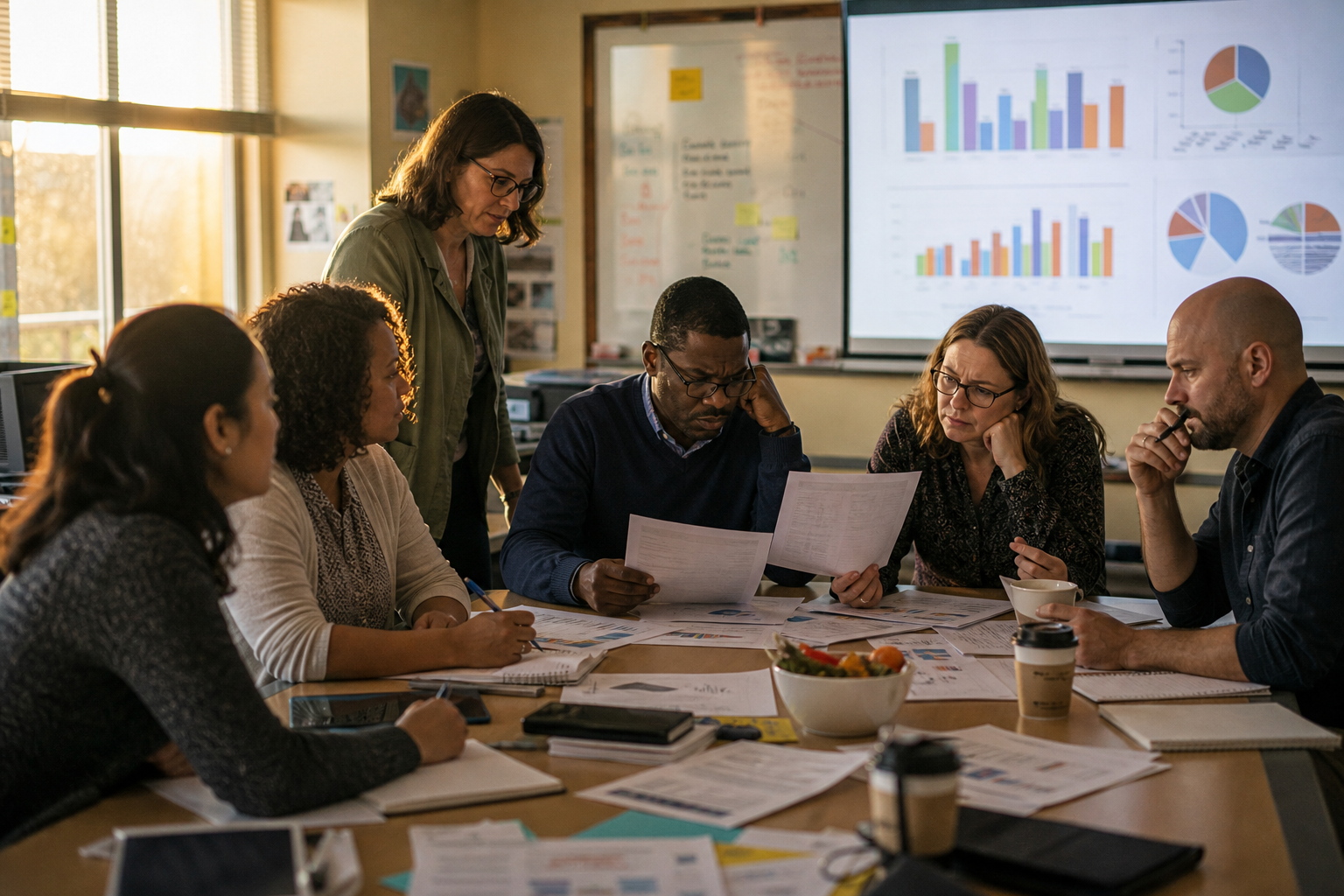
Too often, however, schools mistake “technology-ready” for “future-ready.” They make sure that elementary students experience learning activities via laptops or tablets. They ask middle school students to organize tasks and submit answers via Google Docs. They ask high school students to write research papers, analyze data sets, and use high-level software platforms to produce films, publish magazines, and design furniture. At every level, we ask students to navigate a very complex digital landscape permeated by social media landmines, porous barriers of data privacy, and the ethical quicksand of artificial intelligence.
Has all of this technology improved learning?
In some ways yes, particularly in the way technology has improved access to the learning for students with learning needs, and by keeping students relevant for workflows needed in today’s economy. But we’ve also seen rising rates of mental health issues, higher rates of dysregulation in classrooms, and more students who struggle to find a sense of meaning and purpose in the world. I’m thinking about a student who was a member of Nido’s AI Inquiry Team back in 2023. As we were exploring the implications of a ChatGPT world, he got quieter and quieter. At one point, we turned to him, and he looked up at us with big eyes and said, “If AI can do all of these things, what is left for me to do?” Haunting.
Laptops and graphing calculators and spreadsheets are certainly an undeniable part of our world, and they can operate as tools to improve learning, but the more important “tool” for child and adolescent development is human CONNECTION, which also happens to be the first part of the Nido mission, and the foundational identity of the Nido Learner.
Imagine these classrooms:
Students connecting with other students. Students who engage with teachers and ideas. Students who see themselves as part of the school community and the wider community. Students who connect with the places they inhabit and choose to be their stewards. Students who think for themselves and act with purpose, because they feel connected to themselves and their own thinking, they feel connected to others, they feel connected to place.
These are the students who will thrive in a world drenched in AI, in a world where technology threatens to supplant our very humanity.
What are some ways we are fostering deep connection at Nido?
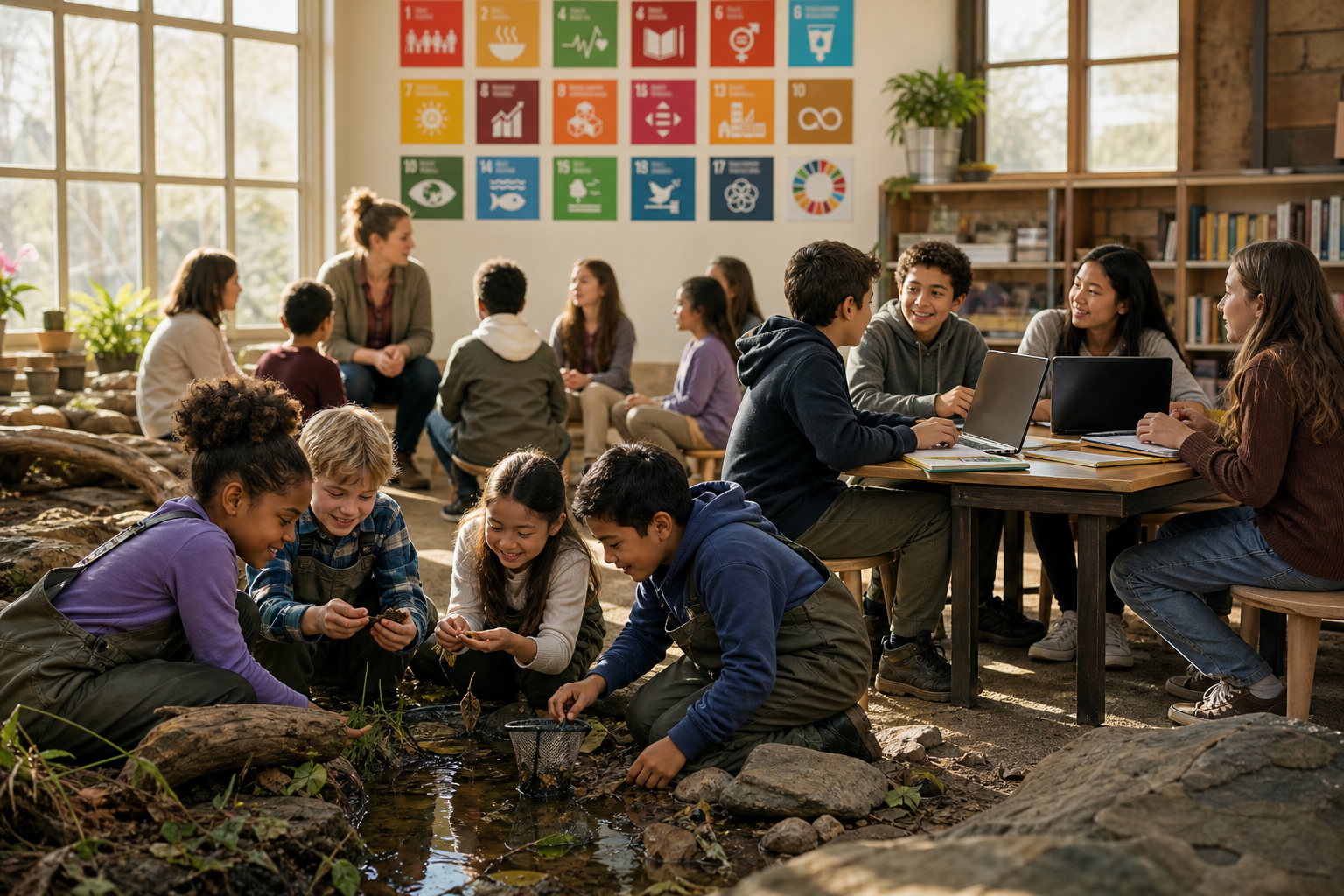
- We’re connecting our littlest learners to the outdoor world in the Creek Classroom, a space where they go for several hours a week to explore mud, water, bugs, leaves, and these days - cold weather!
- It’s our Changemakers curriculum, where students connect ideas from social studies and science with the United Nations Global Goals, learning how knowledge can build a better world.
- It’s our Social-Emotional curriculum and advisory programs that connect students with their feelings and teach them how to build healthy relationships.
- It’s our Nido Ships program where high school students find mentors among business leaders and our alumni network.
- It’s our phone-free campus where middle and high school students keep their phones in their bags during the school day and are running around, playing games, and talking to one another.
CONNECTION is the very foundation of all our ambitions for students at Nido. We use plenty of technology, but more importantly, we prepare students who are CONNECTORS, who know how to be human first in a world where the technology will soon match our own cognitive capacity.

Patricia Podorsek is currently the Deputy Head of School for Teaching and Learning at International School Nido de Aguilas, in beautiful Santiago, Chile. She has served schools in Ecuador, Kenya, the United States, India, and Malaysia in the role of teacher, department head, team leader, committee chair, instructional coach, curriculum coordinator, and administrator. She holds advanced degrees in Secondary Education and Educational Leadership. Patricia is passionate about bringing high quality learning to every child and believes this can only happen with committed partnerships between families, teachers, leaders, and the students themselves. She admits to being a geek when it comes to conversations around such riveting topics as assessment, inquiry, design thinking, UDL, and the future of learning. She loves to cook and believes there can never be too much garlic in a recipe.
Email: mopp94@gmail.com | Linkedin: https://www.linkedin.com/in/patricia-podorsek-16354219/