.png?width=2000&height=767&name=Updated%20logo%20TRC%202%20(1).png)


The Illusion of Progress
We all think we’ve gotten better at digital safeguarding, don’t we? We no longer post student photos indiscriminately across X (formerly Twitter); we blur faces, we ask parent permission, and we limit identifying details. Safeguarding student identities seems easier these days until you ask, when was the last time you checked EXIF data?
The Hidden Dangers of Digital Footprints
A single photo uploaded to a school website can reveal far more than smiling faces. Every image carries hidden data called EXIF (Exchangeable Image File Format)--a metadata layer automatically embedded by phones and cameras. EXIF can include GPS coordinates, timestamps, camera models, and even unique device IDs. When schools post unedited photos online, that invisible data can be extracted by anyone with basic technical skill. In the wrong hands, it can pinpoint where a class trip took place, when the next event will occur, or even map students’ daily routines. Forgetting to strip EXIF data turns ordinary photos into blueprints of children’s lives, a quiet but serious safeguarding breach.
From Physical to Digital: The Safeguarding Shift
When I began teaching in 2003, our concerns were far more physical: privacy in bathrooms, safe touch, stranger danger. Schools had “computer labs,” not Wi-Fi networks, and predators were shadowy figures in online chatrooms most students couldn’t access from home. Safeguarding training focused on bruises, disclosures, and secure facilities. The world felt tangible and local.
Screens, Subcultures, and Source Code
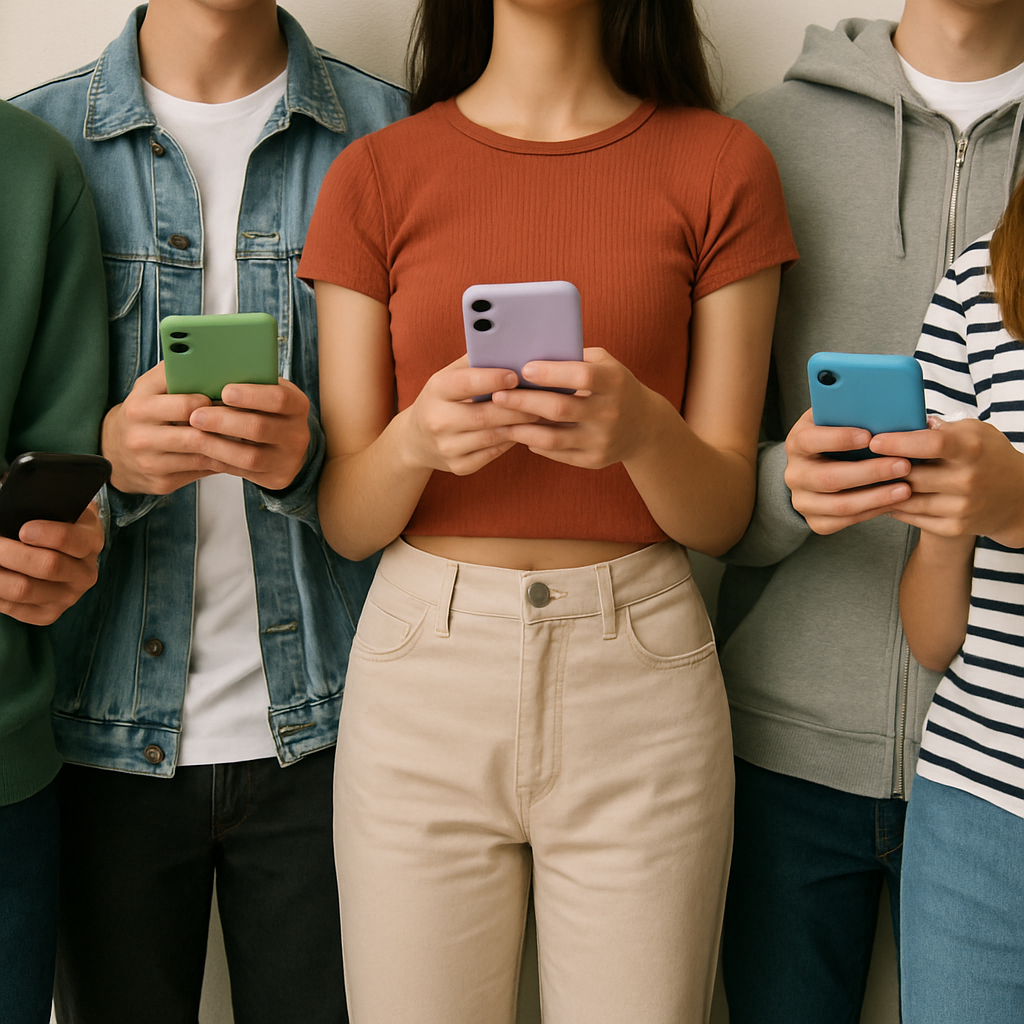
Today, the boundaries are gone. Students live in an always-connected ecosystem. My own middle-school son spends his school day on a device, a requirement, not a luxury. Technology has transformed learning, but with that transformation comes new forms of risk that few Child Protection officers were ever trained to handle. While physical safeguarding once dominated, today’s greatest threats often emerge from behind a screen. How many safeguarding leads understand Discord’s subcultures, or know how easily student photos can reveal names hidden in HTML? I’ve checked international-school websites myself and found birthdates and student IDs embedded in their source code. Most safeguarding leaders wouldn’t even know where to look.
AI and the Rise of Fabricated Harm
Then there’s the darker frontier. Artificial intelligence has introduced threats we could scarcely imagine five years ago. Tools like Nudify can turn innocent images of children into explicit material; deepfakes that spread instantly and irreversibly. It’s no longer just about predators finding children; it’s about technology fabricating harm out of pixels. Some schools, recognizing the risk, have already chosen to post only AI-generated images of fictional students. So, as educators and safeguarding professionals, we must ask: Are we truly prepared for this?
When Systems Become Vulnerabilities
The risks don’t stop at student devices, systems themselves are now targets. The recent PowerSchool data breach revealed just how fragile our digital defenses are. PowerSchool, the backbone of student data management across international schools, stores everything: names, birthdates, addresses, medical notes, passport numbers, even family contact information. When PowerSchool was compromised, many schools found themselves exposed and unprepared. It was a clear violation of GDPR and similar data-protection frameworks, and it shattered the illusion that student safety lives only in the physical world. The breach wasn’t just a technical failure, it was a safeguarding one. This isn’t just a technology issue. It’s a systemic one.
From Parallel Tracks to Partnership
The solution lies in collaboration. Directors of IT and Designated Safeguarding Leads (DSLs) have traditionally worked in parallel rather than partnership. Yet their missions are now inseparable. A firewall is not merely an IT control; it’s a child-protection measure. A student disclosing suicidal ideation in an online chat is both a counseling crisis and a digital-safety event. Regular collaboration between IT directors and safeguarding teams ensures that data policies, reporting tools, and response protocols reinforce each other instead of leaving gaps. A united front turns isolated expertise into a protective web.
Inclusion, Wellbeing, and the Ecosystem of Care
This convergence naturally extends to Student Support and Inclusion Services, which often house the school’s safeguarding leadership. In many smaller schools, counselors double as safeguarding officers, juggling crisis intervention, parent support, and compliance. As a head of student support services myself, I’ve seen firsthand how child protection, inclusion, and wellbeing overlap in practice. Organizations such as ISLES, SENIA, and ISCA play a critical role here. They connect school leaders across disciplines; counselors, learning-support coordinators, psychologists, and IT staff promoting shared training and unified standards of care. The future of safeguarding will be shaped as much by these collaborative networks as by individual school policies.

Building a Culture of Shared Responsibility
Safeguarding today demands a whole-school ecosystem where technical defenses, ethical practices, and pastoral care work in sync. Schools must adopt policies that treat every online act as a potential safeguarding event: from website publishing to cloud backups, from AI-generated media to data retention. This means cross-functional teams, regular joint audits, and ongoing training for both educators and IT professionals. Awareness can no longer be siloed in one department or one role.
Collaboration as the New Safeguard
The next era of safeguarding won’t be defined by what we prevent, but by how well we collaborate. In an age of rapid technological change, protecting children means closing the gap between empathy and encryption…and ensuring that every adult in the school community, from coder to counselor, becomes part of the shield.
.jpg?width=157&height=157&name=Your%20paragraph%20text%20(1).jpg)
Joe has over 20 years experience teaching overseas. Joe began as a
public school teacher in New York City, and has worked in Denmark,
Bulgaria, Japan, the U.A.E., and currently works at Taipei American School.
He holds multiple teaching certifications and is also a licensed counselor.