

The first in a short series on managing change and reviewing the problems associated with changing established routines and procedures.
Let’s start with a question: When was the last time you changed your mind? Or to put this more succinctly… when did someone last convince you that you were wrong and that you should be doing things differently, or even thinking about things differently?
Not recently? That’s the response I receive most frequently.
After many years working with management teams and individuals, I know how hard it is (sometimes impossible) to change another person’s mind. Yet by involving them and providing just the right balance of information – both rational and emotional – you can, on occasion, get them to reconsider. It works less often than we’d like to admit. And yet finally, if you’re lucky, they may just decide to change their own mind, which is what’s needed for them to fully own and identify with their new stance.
Imagine, within a work environment, that you’re involved with changing certain procedures to improve efficiency, and that those colleagues who are impacted begin to follow these new ways. Now, ask yourself; why are they going along with the new approach? Perhaps:
a) They don’t want to fall out with you
b) They hope to get used to the new ways over time
c) They know everyone else is making the change so they’d better tag along
d) They have no other realistic option
e) They have been thoroughly convinced by you of all the benefits of the change
Most likely, at least at first, what’s really going on is a ‘change in their behaviour’, rather than a true ‘changing of their mind’. But just a moment, you may ask… could it be that I am only talking about the more awkward, obstinate people in a team? I used to think that but with the benefit of experience - I don’t believe that to be the case.
I mean… consider the famous household cliché where each morning and night, you squeeze the toothpaste carefully from one end while your partner regularly squeezes in the middle of the tube, forcing the toothpaste to both ends. It’s usually (yes people have researched this) the one who squeezes from the end that tries to get the other person to change their mind – for ‘rational’ reasons. For them, doing the right thing is obvious. And maybe they will, and maybe they won‘t.
The partner’s response could be, “Why get so upset about something so unimportant” or it may lead to quiet acquiescence just to avoid an argument, but the discussions don’t usually end with a genuine ‘changing of the minds’. Who would actually say: “Thank you for persuading me that you were right. To think… I’ve been making that mistake for all these years. Life will be so much better.
If only the topic of change were usually this simple.
For most of us, ‘change’ represents an intrusion in our lives. It represents an effort, and often implies that someone else is imposing something on us. But there are ways to improve communication and reduce resistance when instigating change - especially if we know more about everyone who’s impacted - our broad, target audience. In this context, if leading a change process, it’s always useful to reflect on our own attitudes and reactions when we have change imposed upon us.
The thing is, making decisions, particularly on more important topics, also says something externally about us… to the point that publicly changing our position can be seen as a sign of weakness, or a lack of fortitude; perhaps even raising the spectre of not having fully considered all aspects of a particular situation.
Those trying to change our opinions or impose new procedures often make things worse by hammering home the rational arguments which they think will be more than sufficient to convince all discussion partners that their position is right. But what’s rational to one person isn’t necessarily rational to another.
Paraphrasing the philosopher Karl Popper: “No rational argument will have a rational effect on someone who does not want to adopt a rational attitude.” The thing is, following your own logic doesn’t necessarily make you rational from the other person’s viewpoint.
We’ll explore this idea further in this short series and hope in doing so, to provide insights that allow you to be more successful as you travel down the pathway of change.

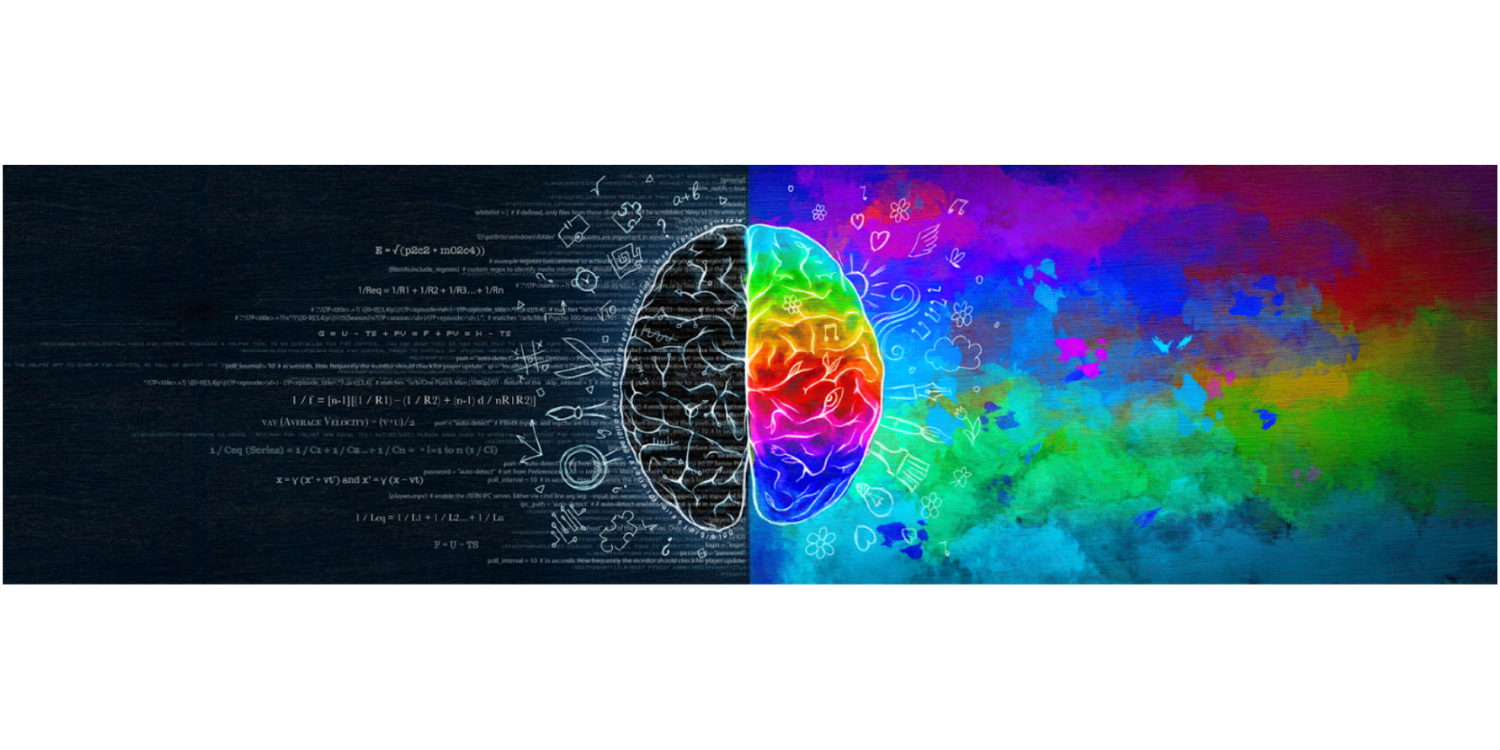
Even the most rational among us make heart-based decisions more often than we may like to admit.
(1 of 6 part series - Change Management)
Click here for the 2nd part of the series: Facts vs Feelings – It’s Important to Frame Change in Both Ways